
Hair Transplant Recovery Guide: What To Expect After The Procedure
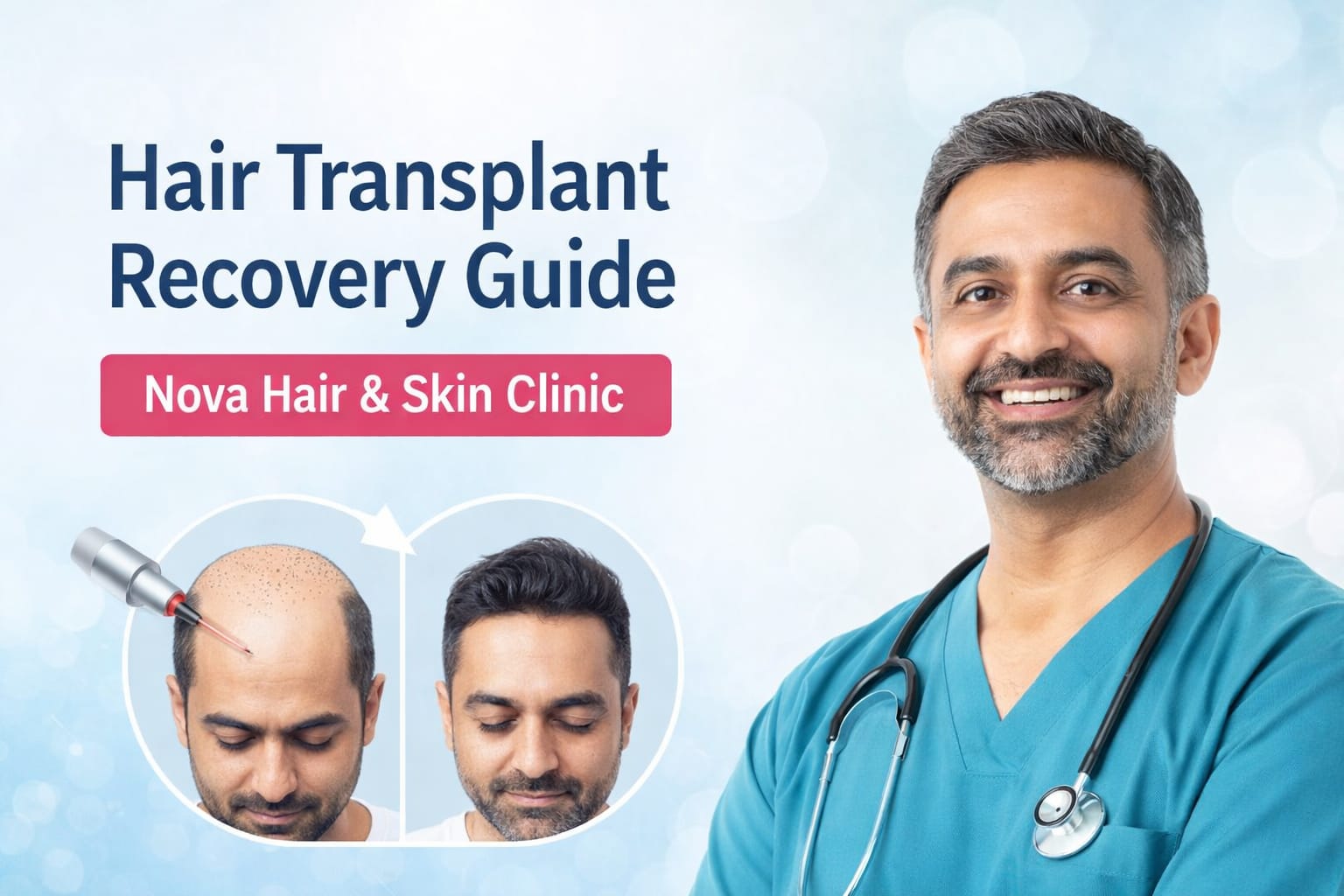
Hair Transplant Recovery: What to Expect After the Procedure
Hair transplant is one of the most effective solutions for people suffering from hair loss or baldness. However, many patients are curious about what happens after the procedure and how long the recovery takes. Understanding the recovery process can help you achieve the best results from your hair transplant.
First Few Days After Hair Transplant
After the hair transplant procedure, mild redness, swelling, and small scabs may appear in the treated area. This is completely normal and usually disappears within a few days. Patients are advised to avoid touching or scratching the scalp during this time.
Hair Washing After Transplant
Hair washing usually starts 2–3 days after the procedure as advised by the doctor. It is important to use a mild shampoo and wash the scalp gently to protect the newly transplanted grafts.
Shedding Phase
Many patients experience temporary hair shedding within the first 2–4 weeks after the transplant. This is known as shock loss and is a natural part of the hair growth cycle. The transplanted hair roots remain safe under the scalp.
Hair Growth Timeline
New hair growth generally begins after 3–4 months. Gradually, the hair becomes thicker and stronger over time. Most patients start seeing noticeable improvement within 6–9 months, while the final results can be seen after 12 months.
Important Post-Procedure Tips
To ensure the best results after a hair transplant, patients should follow these guidelines:
Avoid heavy exercise for at least 10–14 days
Do not expose the scalp to direct sunlight
Follow the prescribed medications and lotions
Maintain a healthy diet rich in vitamins and proteins
Final Thoughts
Hair transplant results require patience and proper care. By following the post-procedure instructions and maintaining a healthy lifestyle, patients can achieve natural and long-lasting hair growth.
If you are considering a hair transplant or want to learn more about the procedure, consult the experts at Nova Hair & Skin Clinic for personalized guidance and treatment.